
 Call
Call

iPS has been providing physiotherapy services in South Wales for over 20 years. Our experienced team offers hands-on treatment, personalised rehabilitation plans, and straightforward advice, with support available throughout your recovery.
Book Now
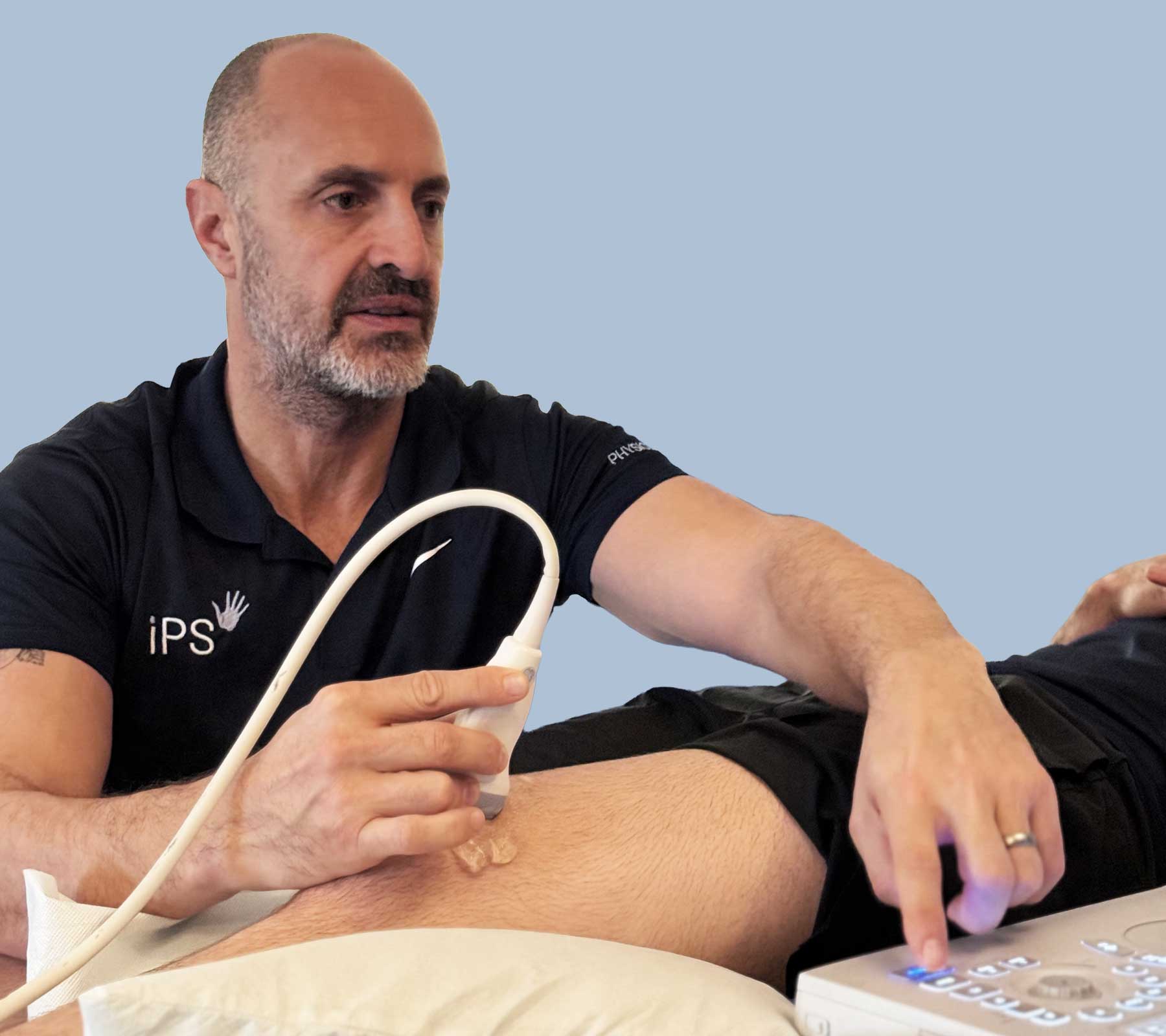
At iPS – The Independent Physiotherapy Service, MSK Diagnostic Ultrasound Scanning is used by our MSK Clinical Specialist Physiotherapist, Gareth Tremain, to complement his detailed musculoskeletal clinical assessment. The scanner allows Gareth to visualise joints, muscles, tendons, ligaments, bursae, fascia, joint capsule, and superficial nerves in real time during your appointment. This provides immediate information to support diagnosis and guide treatment. Gareth also uses ultrasound guidance for all joint and soft-tissue injections, improving accuracy, safety, and treatment outcomes. At iPS we use a high-definition specialist ultrasound system – The GE Logiq E, allowing even small or subtle soft-tissue abnormalities to be identified.

Appointment Information: This booking option is appropriate for a patient seeking an expert assessment with our MSK clinical specialist – Gareth Tremain. The consultation includes a Diagnostic Ultrasound Scan at no additional cost. If time permits and if appropriate, an Ultrasound-Guided Injection may be provided during the consultation (additional cost applies).
Important: At iPS, we offer ‘MSK Diagnostic Ultrasound’ as part of a comprehensive musculoskeletal assessment of peripheral soft tissues and joints. We do not scan the neck, spine, lower back, abdomen, trunk, or non-MSK lumps and bumps.
£105Time: 45 minutes
Our MSK Clinical Specialist – Gareth Tremain uses ultrasound in the assessment and treatment of peripheral joints and soft tissues, including:
He does not assess or treat neck, spine, lower back, trunk, abdomen, sacroiliac joints, or sciatica. If your symptoms relate to these areas, one of our other experienced MSK Physiotherapists will be best placed to help. You can book a consultation with for assessment / treatment of these conditions via this link.
We want to ensure you have all the information you need before booking your appointment. If you have any questions or would like help with booking, you can contact us on 03456 252 252 or email us at contact@theips.co.uk. Our team are happy to help.
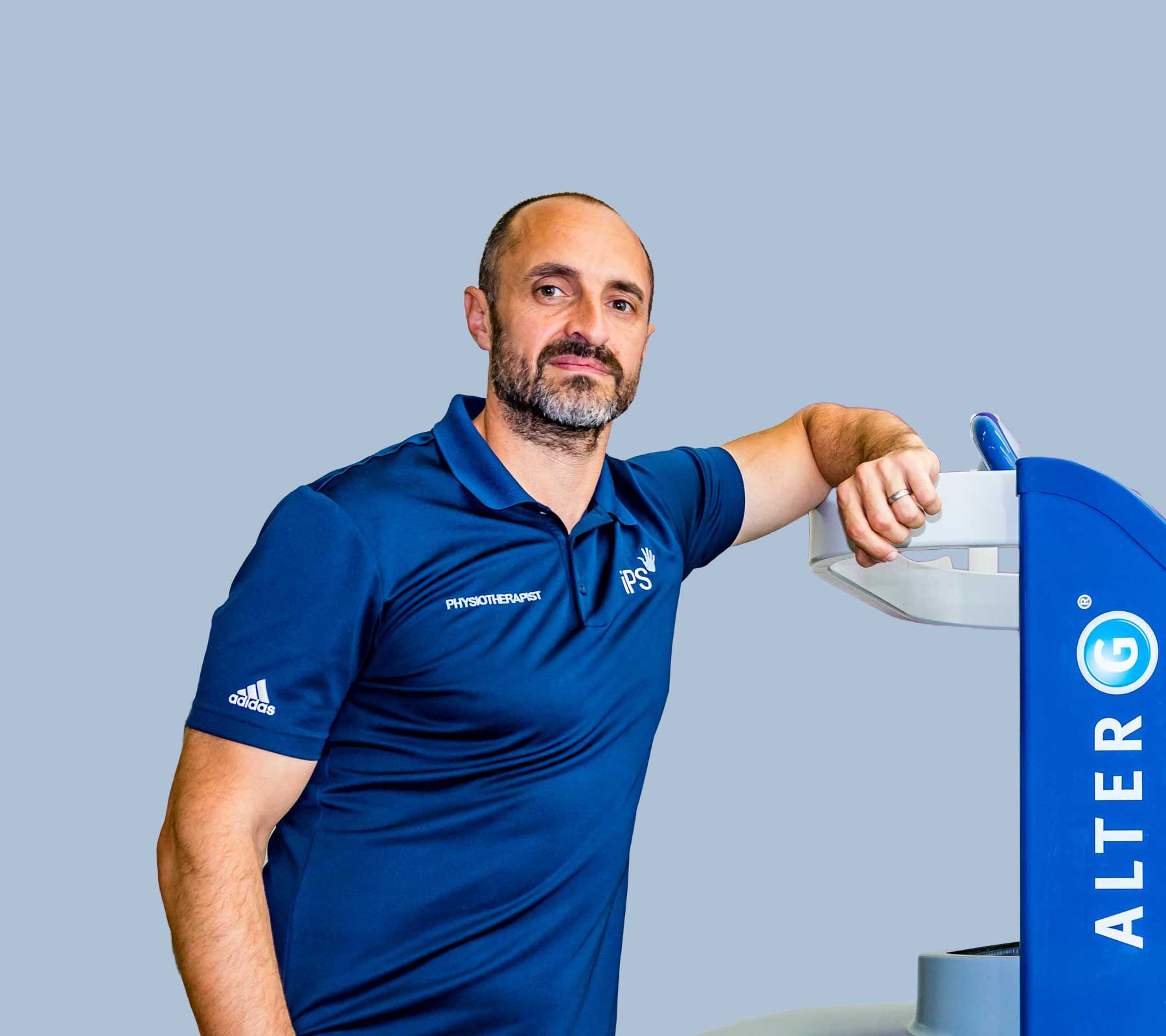
Our MSK Clinical Specialist Physiotherapist - Gareth Tremain has extensive post-graduate qualifications, including Independent Prescribing, Musculoskeletal (MSK) Ultrasound-Guided Injections and MSK Diagnostic Ultrasound Scanning. He is able to expertly assess and treat a wide range of MSK injuries and conditions. If you are looking for an accurate diagnosis and advanced treatment options, look no further. He is one of only a few private physiotherapist in Wales to offer these services. Following his specialist assessment and treatment, he will also provide you with an exercise programme to maximise your recovery.
View Profile
What is MSK Ultrasound Scanning used for?
MSK Diagnostic Ultrasound Scanning is used by our clinical specialist, alongside a comprehensive clinical examination, to provide more information to form a diagnosis and guide treatment options. Diagnostic Ultrasound is an excellent modality for the assessment of:
MSK Diagnostic Ultrasound Scanning provides immediate, real-time imaging and allows structures to be assessed while moving.
MSK Diagnostic Ultrasound and Other Imaging
Diagnostic Ultrasound is effective for assessing many joints and soft tissue injuries/conditions. However, it does not replace MRI, X-ray, or CT scans when deeper structures, bone, or complex joint pathology are suspected. If further imaging is required, this will be discussed and arranged where appropriate.
Key Points for Patients
Please see below for a wide range of joints and soft tissue structures that can be assessed with ultrasound.
We want to ensure that all of our patients receive the information they need to make an informed decision about their treatment. If you have any questions or if you require assistance with anything, please let us know.

The Independent Physiotherapy Service
Copyright 2025 - Registered in England and Wales No 5122019.


